Acronis Boot Network Drivers
I am having the same issue. The Yuppie Handbook 1984 Summary more. I am booting into an ISO created in Snap Deploy 5 using the Win AIK 3.1 kit. I have added every possible Win 7 Pro 64 bit Realtek network driver known to man to no avail. The PC is an HP Prodesk 400 G2 Mini. I can get the network interface no problem on Prodesk 600 G2 Minis but this one flat out refuses to show an interface. I am starting to wonder if this is a Win PE 3.1 issue. Is there a log file created on the Snap Deploy server that may hold more information as to why the network port is not able to be connected to?
I have attached a picture of the screen. Jason, that is correct - 64-bit WinPE must use 64-bit drivers. FYI, you can uninstall the current Windows ADK (4.0 / 5.0 - whatever version you have now), and manually download the Windows 10 ADK instead. Once installed, Acronsi will use that and the drivers should automatically be there then. Links to all Windows ADK versions direct from Microsoft are in my signature below.
The most likely reason is that the Acronis Bootable Media does not have drivers for the respective hardware, or there is hardware malfunction/specifics due to which Acronis modules can't get access to the device. There is no possibility to add drivers to regular Acronis Bootable Media (based on Linux) on the fly. Jun 06, 2009 Using Driver Packs with Acronis Universal Restore (Page 1) - Universal Imaging - DriverPacks.net Forum - The support forum for the DriverPacks!
Also, in situations like this that is related to networkign, I have saved myself time and headaches by purchasing some cheap USB 3.0 to ethernet adapters from Amazon. They use the same generic hardware (doesn't really matter which ones you get) and will work win the Linux version of all Acronis bootable media (Snap Deploy, ATIH, Workstation 11.7, etc). If you deploy a few systems a week or more, these are well worth the money in the long term. This is just one example - doesn't matter which one (just get USB 3.0 and gigabit ethernet). This is aggravating. Since I could not get acronis to work with the Win 10 ADK, I installed the Win 8.1 ADK since I am still trying to get this network adapter issue resolved. I created a custom ISO with Acronis and the Win 8.1 ADK.
I ISO to USB to create a bootable flash drive and upon trying to boot, I get this error every time (see attached). I tried using the Microsoft tool Win 7 USB DVD download tool and it errors before even finishing the process to create a bootable flash drive. My last resort is to use a usb 3.0 to ethernet suggested by Bobbo. Jason, My apologies, I steered you wrong. I did have a chance to test and I too am unable to use the Win10 ADK to create WinPE media with Snap Deploye PE media builder - I tried everything I could think of to get it work with standard ADK commands, changing boot.wim, extracting folders, etc, but it's an obscure 'access denied' message which makes think that Acronis just doesn't want to use it because it's not ADK 5 (8.1/8/7) or earlier. Looks like I must have created my Snap Deploy WinPE with ADK 5.0 instead. So, I'm guessing you have to still use Win ADK 5.0 to create the media (USB drive would be preferred so you can modify the.WIM to inject drivers with or the actual, use a USB 3.0 to ethernet adapter, or, attmept to use something like stand-a-lone application (download and install and just copy the directory to your thumb drive with your bootable Acronis media.
When the PE starts up, use command line to navigate to the penetwork.exe (which would be a different drive letter though) and launch it and that may get you networking that way instead). Injecting drivers with DISMGUI is pretty easy so that may be the best way for now. Bobbo, Thanks for all your help and replies. It is a major blessing to have someone with your knowledge to bounce ideas off of. Please bear with me as getting Snap Deploy 5 up and running in my organization was my first dive into the imaging world. I failed to get GHOST working due to driver issues and ended up turning to Snap Deploy and so far it has been fairly user friendly. That being said, the only way I know to create ISOs or WIMs is within Acronis PE Builder.
I have never used Windows AIK or ADKs before to create a custom WinPE image. So I guess you lost me a bit on the use WinPE 5.0 to create a bootable flash drive part. If you do that, the Snap Deploy agent will not be there and point to the imaging server correct? I do not have a true PXE setup. Basically, I use a Snap Deploy server pc, and I boot my image clients into the Linux based agent with a flash drive which of course points to my prespecified server ip. I will Google for a tutorial on creating a bootable flash drive with WinPE 5.0 but I am wondering how the Snap Deploy integration happens using this method? Also, I ordered 2 of the Anker adapters you specifed to test with on the HP PRodesk 400 that started this nightmare.
I will report my results. Thanks again for all your help. It is greatly appreciated.
Jason, Yes, this is a problem with the Linux bootable media when drivers are missing as there's no way (that I know of) to add drivers to it so we have to wait for Acronis to update them. The WinPE is pretty easy to do this (once you know how), but unfortunately the WinPE of SnapDeploy doesnt' have the 'stand-a-lone' utility in it either and I have no idea why - I'm hoping they will add it at some point but have been told it is 'by design', which doesn't make too much sense to me since ATIH 2016 and Acronis Workstation 11 both have create and recovery tools in UNIX and WinPE. I think those adapters will suit you just fine and keep things simple for you. At least until we see updated drivers in the Linux boot disk or they add stand-a-lone into the WinPE media.
As for creating a USB bootable drive for Linux or WinPE, you just need to have a USB drive plugged in at the time of build and it should detect it. The USB be drive must be removable though (most flash drives are - SanDisk has some that are not. A usb hard drive in an enclosure is still considered 'fixed' so won't show up).
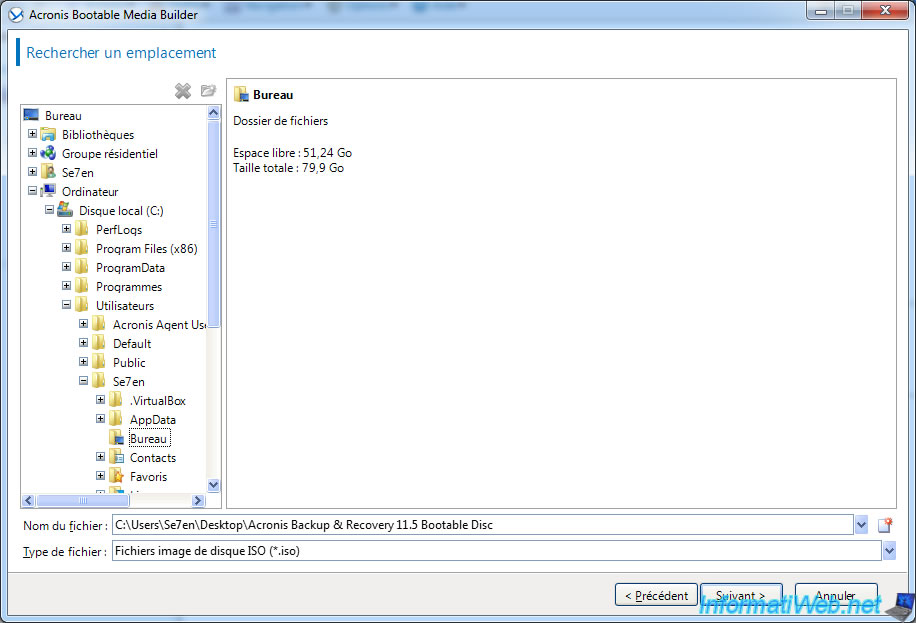
Essentially, the resulthing thumb drive will be bootable and contain the boot.wim file that you're used to seeing or that is make on the bootable.iso. Ganguro Girl Deluxe Download Mac. I just like having thumb drives instead of disks as you can still add other things to them (like portable apps). See screenshot for th eWinPE PE builder with my thumb drive as a valid destination. I have had simular issues along these lines with the intel i219-lm nic. I can successfully PXE boot, only to be told i have no network device.
(how did i connect if i have no network device?). DeplyPEbuilder that comes with the latest SnapDeploy build does not work with ADK 10. Access denied message. I finally was able to image the device using a usb to ethernet adaptor, but i don't see this as an ideal solution.
Making and configuring WinPE media is still a bit of a mystery to me. Everyone says i need to be using them, but the only tool i have to build one doesn't work. Rick - PXE boot uses different drivers to start than when booted into either Linux or Windows PE - I'm not sure which driver that one uses, but it's an older hardware level driver straight from the bios. Once booted into the Acronis envrionment though, it then relies on whatever drivers are in the Linux or WinPE media. I am anxiously waiting for WinPE 6.0 (ADK 10) support as well. I'd also hope that the default Linux Media would bring some newer driver support for NIC's and NVME PCIE-hard drives too.
Your WinPE does not have to match the version of the OS installed - it just needs the necessary drivers to find your NIC, hard drive and storage controllers. So, if all 3 of those have Win 8 or Win 7 driver support, build your WinPE with ADK 5.0 instead, but you may have to add the specific drivers afterwards. DISMGUI provides an easy way to do this (for the most part), once your WinPE has been created (you need to be able to work with the Acronis boot.wim file though so suggest making a bootable USB drive instead of an.iso so you can easily copy and paste the boot.wim to work with it with DISM GUI or the Win ADK commands.